
















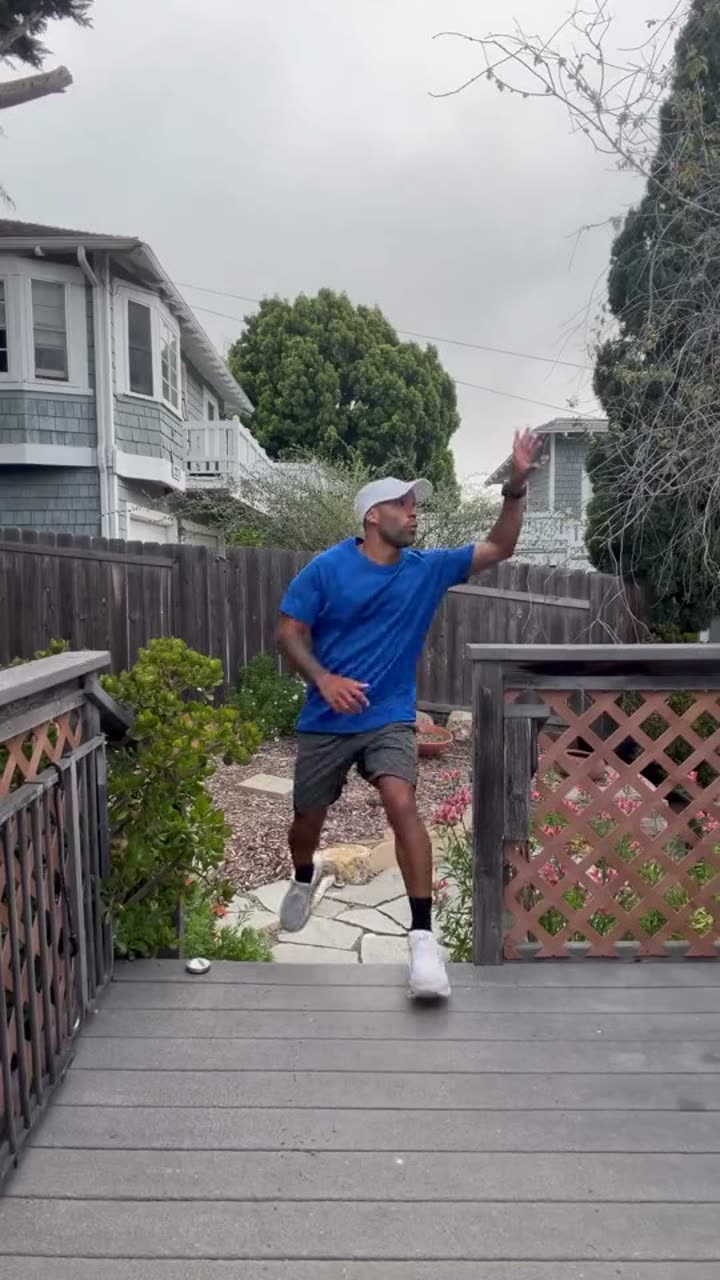

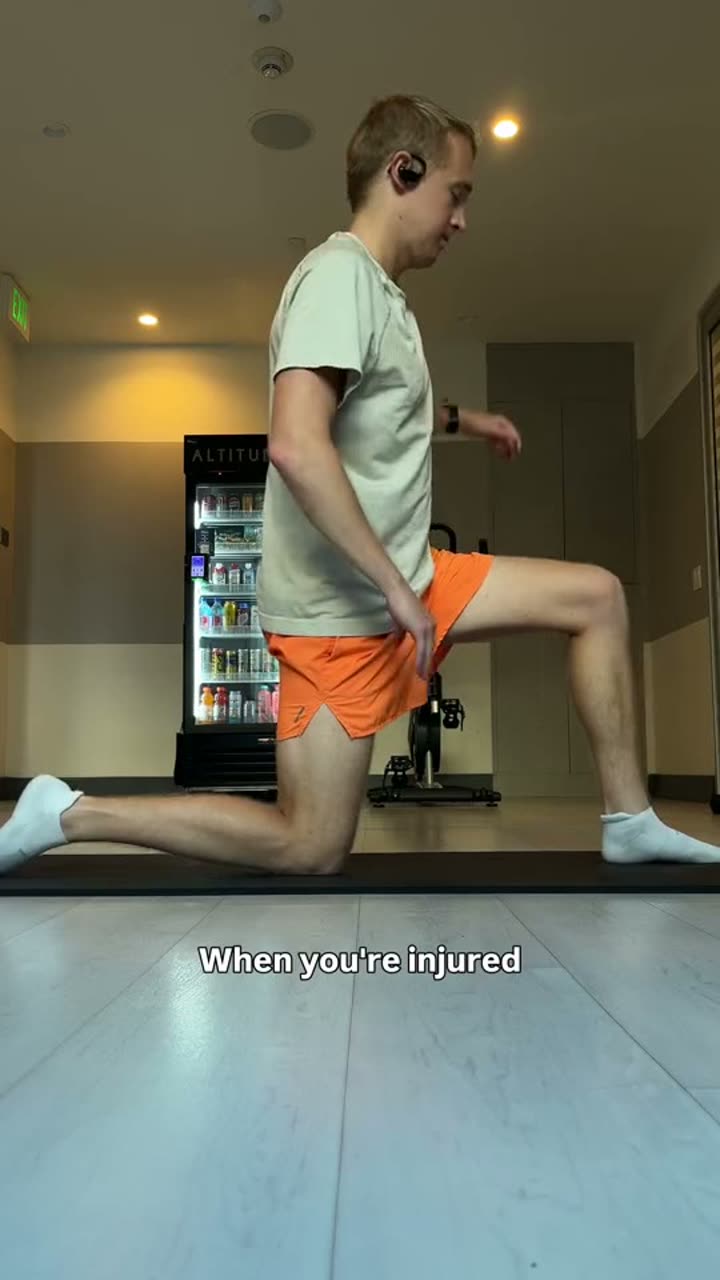


Meet with a physical therapist
for Sports Injuries

Video visits with a licensed physical therapist. Get a personalized plan to keep doing what you love.

In-network with

MedicareTRICAREBlue Shield of CaliforniaAnthem Blue CrossCignaUnitedHealthcareHumanaAetnaHealthSpringCurativeHSA/FSA eligible

How it works

9:41
End
1Meet

Meet your PT for a full telehealth evaluation

A licensed physical therapist starts by asking about your history, movement goals, and what hurts, then analyzes how you move and builds a personalized plan.

  • One-on-one time with your personal physical therapist
  • Covered by most insurance plans and HSA/FSA
Get started
9:41
Sarah Mitchell, DPT
THU · 7:48 PM
Did the step-downs today. Left side is way shakier than the right
That's normal this early. Go slower on the way down and stop if it pinches.
Will do 👍
SAT · 9:12 AM
Knee felt tight around mile 6 on the long run
Thanks for flagging it. We'll look at your step-down on Monday.
MON · 6:10 PM
It was great seeing you today! Here's what we'll work on this week.
WEEK 2 OF 12
Half marathon plan
Lateral step-down
3 × 10 each side
Single-leg calf raise
3 × 15 each side
Copenhagen plank
3 × 20 sec each side
Long run
8 mi · easy pace · Sat
Thanks, Sarah!
Read 6:14 PM
Message Sarah
2Your PT

Stay on track with a PT in your corner

Your personal physical therapist adjusts your plan as your body responds and coordinates with your primary care physician when needed.

  • Guidance from a licensed professional, not an algorithm
  • Accountability that keeps you showing up and making progress
Get started
9:41
End
3Follow up

Work toward your goals with follow-up visits

Check in with your personal physical therapist weekly or every few weeks to see what's improved and adjust your plan.

  • Visits that fit around your work, travel, and training
  • Come back anytime to a PT who already knows your history
Get started

See it in action

Find a physical therapist today

Licensed physical therapists who see patients over video, covered by insurance.

Get started
Shaniece DeGazon
Shaniece DeGazon
DPT
Dylan McLean
Dylan McLean
DPT
Anthony Portillo
Anthony Portillo
DPT
Christine Ogbonna
Christine Ogbonna
DPT
Jenna Dubiansky
Jenna Dubiansky
DPT
Joanna Hernandez-Gibson
DPT, PCS
Joseph Park
Joseph Park
MPT, CAFS
Sheilla Vidal
Sheilla Vidal
BS PT
Stephanie Aguilera
Stephanie Aguilera
DPT, OCS
Alexandra Kallner
Alexandra Kallner
DPT
Graig Gubello
Graig Gubello
DPT

Physical therapy for sports injuries

Whether you're a weekend warrior or a competitive athlete, sports injuries need the right rehab to heal properly and get you back in the game. A licensed PT can evaluate your injury over video, build a sport-specific recovery plan, and guide your return to activity. Covered by your insurance.

What is sports injuries?

Sports injuries encompass a wide range of conditions — from acute sprains and strains to chronic overuse injuries. Common examples include ankle sprains, hamstring strains, shin splints, stress fractures, IT band syndrome, and muscle tears. These injuries often result from training errors, muscle imbalances, or inadequate recovery. Proper rehabilitation not only heals the current injury but reduces the risk of re-injury.

Common symptoms

  • Pain during or after physical activity
  • Swelling or bruising
  • Reduced strength or power
  • Instability or giving way
  • Pain that limits sport participation
  • Stiffness or reduced range of motion
  • Compensating with other body parts
  • Fear of returning to sport after injury

What causes sports injuries?

Sports injuries typically result from overtraining, sudden increases in intensity or volume, poor mechanics, inadequate warm-up, muscle imbalances, or direct trauma. Factors like fatigue, previous injuries, and insufficient recovery time increase risk. Understanding the root cause is critical for preventing recurrence.

How physical therapy helps with sports injuries

Evaluation. Your PT evaluates your injury through video — assessing strength, range of motion, and sport-specific movements. They identify what's injured, what contributed to it, and what needs to happen for safe return to sport.

Treatment. Your rehab plan addresses the injury while also correcting the underlying factors that caused it. This includes progressive strengthening, mobility work, sport-specific drills, and a structured return-to-activity protocol.

Ongoing support. Between visits, message your PT about training, pain levels, or how exercises feel. Your program progresses through clear phases — from initial rehab through full return to sport.

What to expect

Your first visit is about 60 minutes over video. Your PT will assess your injury and build a phased recovery plan. Return-to-sport timelines vary by injury, but your PT will set clear milestones and progress you safely through each phase.

Insurance accepted for sports injuries

Physical therapy for sports injuries is covered by most major insurance plans. You pay your normal copay — nothing extra for telehealth visits.

MedicareBlue Shield of CaliforniaAnthem Blue CrossCignaAetnaUnitedHealthcareHumanaTRICARE

Don't see your plan? Check your coverage — we accept many more.

Get started

Frequently asked questions

Can sports injuries be treated over video?

Yes. Most sports injury rehab is exercise-based — strengthening, mobility, and progressive loading — which works well over video. Your PT can watch your form and make real-time corrections.

How long until I can return to my sport?

This depends on the injury. Your PT will give you a realistic timeline and clear criteria you need to meet before returning to full activity.

Is this covered by insurance?

Yes. Spark is in-network with Medicare, Blue Cross Blue Shield, Anthem, Blue Shield of California, Cigna, and more.

Ready to meet your physical therapist?

We verify your insurance, match you with a licensed PT, and get your first visit on the calendar.