




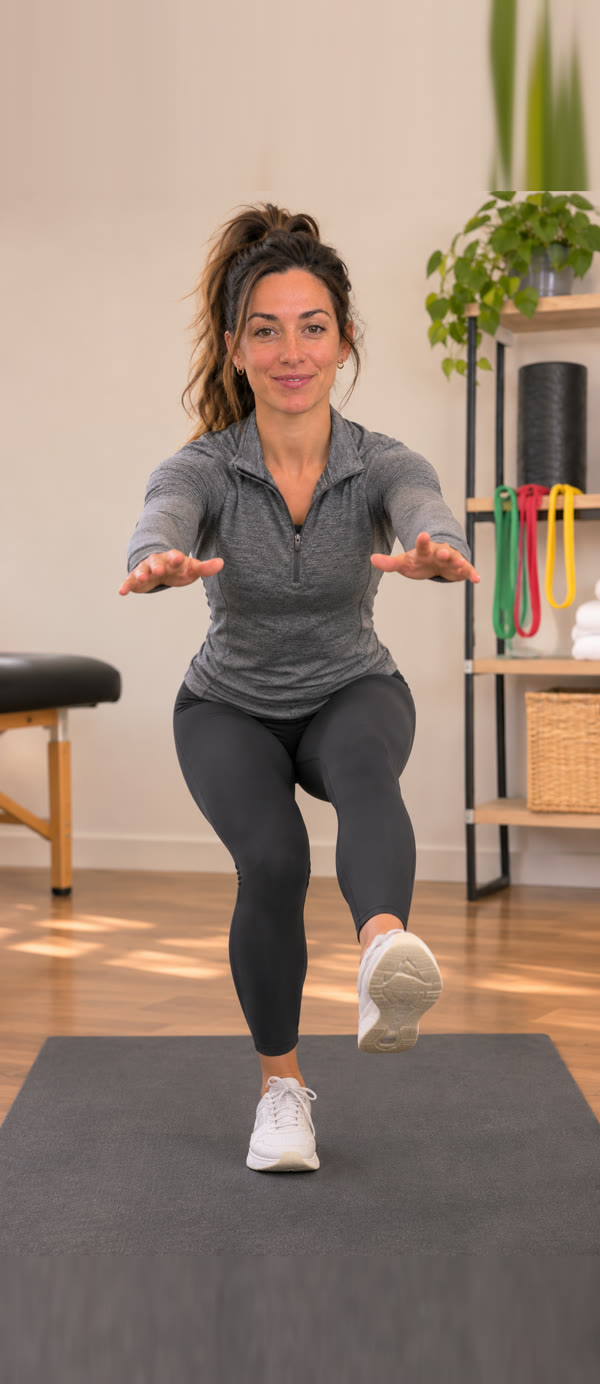
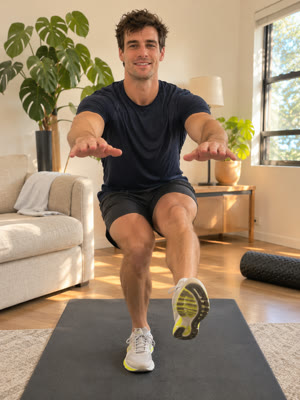





Meet with a physical therapist
for Rotator Cuff Injury

Video visits with a licensed physical therapist. Get a personalized plan to keep doing what you love.

In-network with

MedicareTRICAREBlue Shield of CaliforniaAnthem Blue CrossCignaUnitedHealthcareHumanaAetnaHealthSpringCurativeHSA/FSA eligible

How it works

9:41
End
1Meet

Meet your PT for a full telehealth evaluation

A licensed physical therapist starts by asking about your history, movement goals, and what hurts, then analyzes how you move and builds a personalized plan.

  • One-on-one time with your personal physical therapist
  • Covered by most insurance plans and HSA/FSA
Get started
9:41
Sarah Mitchell, DPT
THU · 7:48 PM
Did the step-downs today. Left side is way shakier than the right
That's normal this early. Go slower on the way down and stop if it pinches.
Will do 👍
SAT · 9:12 AM
Knee felt tight around mile 6 on the long run
Thanks for flagging it. We'll look at your step-down on Monday.
MON · 6:10 PM
It was great seeing you today! Here's what we'll work on this week.
WEEK 2 OF 12
Half marathon plan
Lateral step-down
3 × 10 each side
Single-leg calf raise
3 × 15 each side
Copenhagen plank
3 × 20 sec each side
Long run
8 mi · easy pace · Sat
Thanks, Sarah!
Read 6:14 PM
Message Sarah
2Your PT

Stay on track with a PT in your corner

Your personal physical therapist adjusts your plan as your body responds and coordinates with your primary care physician when needed.

  • Guidance from a licensed professional, not an algorithm
  • Accountability that keeps you showing up and making progress
Get started
9:41
End
3Follow up

Work toward your goals with follow-up visits

Check in with your personal physical therapist weekly or every few weeks to see what's improved and adjust your plan.

  • Visits that fit around your work, travel, and training
  • Come back anytime to a PT who already knows your history
Get started

See it in action

Find a physical therapist today

Licensed physical therapists who see patients over video, covered by insurance.

Get started
Shaniece DeGazon
Shaniece DeGazon
DPT
Dylan McLean
Dylan McLean
DPT
Anthony Portillo
Anthony Portillo
DPT
Christine Ogbonna
Christine Ogbonna
DPT
Jenna Dubiansky
Jenna Dubiansky
DPT
Joanna Hernandez-Gibson
DPT, PCS
Joseph Park
Joseph Park
MPT, CAFS
Sheilla Vidal
Sheilla Vidal
BS PT
Stephanie Aguilera
Stephanie Aguilera
DPT, OCS
Alexandra Kallner
Alexandra Kallner
DPT
Graig Gubello
Graig Gubello
DPT

Physical therapy for rotator cuff injury

A rotator cuff injury can make reaching, lifting, and sleeping incredibly painful. Whether it's a tear, tendinopathy, or strain, a licensed PT can evaluate your shoulder over video and build a targeted rehab program. Many rotator cuff injuries heal without surgery when treated with the right PT. Covered by your insurance.

What is rotator cuff injury?

The rotator cuff is a group of four muscles and tendons that stabilize the shoulder joint and allow you to rotate and lift your arm. Injuries range from mild tendinopathy (irritation) to partial or full-thickness tears. Rotator cuff problems are extremely common — they affect millions of people each year — and physical therapy is the recommended first-line treatment for most cases, including many tears.

Common symptoms

  • Pain when lifting your arm overhead
  • Aching pain at rest, especially at night
  • Weakness when lifting or rotating the arm
  • Difficulty reaching behind your back
  • Pain sleeping on the affected shoulder
  • Cracking or popping with movement
  • Progressive loss of range of motion
  • Pain with pushing or pulling movements

What causes rotator cuff injury?

Rotator cuff injuries can develop gradually from repetitive overhead movements, age-related wear, or muscle imbalances. They can also occur acutely from falls, lifting heavy objects, or sudden forceful movements. Poor posture that rounds the shoulders forward narrows the space where the rotator cuff tendons move, increasing friction and wear over time.

How physical therapy helps with rotator cuff injury

Evaluation. Your PT performs specific shoulder tests over video to determine which rotator cuff muscles are involved and the severity of the injury. They assess strength, range of motion, and functional limitations.

Treatment. Your rehab program starts with pain management and gentle range of motion, then progressively builds rotator cuff and scapular strength. Exercises are carefully selected to load the tendons without aggravating the injury.

Ongoing support. Between visits, message your PT about pain levels and exercise tolerance. The program advances through clear phases as your shoulder gets stronger.

What to expect

Your first visit is about 60 minutes over video. Your PT will determine the nature of your rotator cuff issue and build a phased rehab plan. Most patients see significant improvement within 6-12 weeks. If your PT suspects a full-thickness tear that may need surgical consultation, they'll recommend imaging.

Insurance accepted for rotator cuff injury

Physical therapy for rotator cuff injury is covered by most major insurance plans. You pay your normal copay — nothing extra for telehealth visits.

MedicareBlue Shield of CaliforniaAnthem Blue CrossCignaAetnaUnitedHealthcareHumanaTRICARE

Don't see your plan? Check your coverage — we accept many more.

Get started

Frequently asked questions

Do all rotator cuff tears need surgery?

No. Research shows that many rotator cuff tears — even some full-thickness tears — respond well to physical therapy without surgery. Your PT will help you understand your options.

Is this covered by insurance?

Yes. Spark is in-network with Medicare, Blue Cross Blue Shield, Anthem, Blue Shield of California, Cigna, and more.

Ready to meet your physical therapist?

We verify your insurance, match you with a licensed PT, and get your first visit on the calendar.